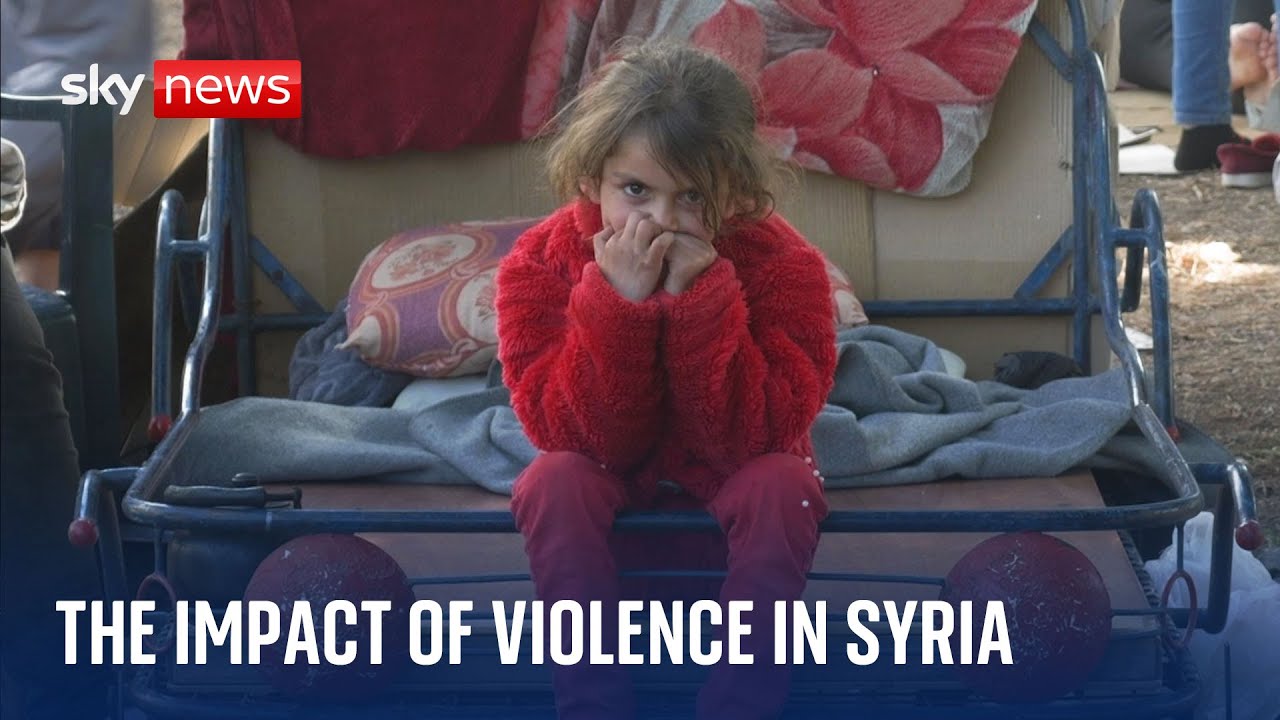
No checkpoint is the same, some want paperwork, others wave you through after a brief look inside – but from Damascus to Latakia, there are a lot of checkpoints, and in one way or another, you are checked every time.
It wasn’t like this just a month or two ago, but it is now after the most violent few days the country has seen since Bashar al Assad was forced from power in December last year.
We drove through cities like Jableh, on Syria’s Mediterranean coast, almost unrecognisable now.
The bustling streets, markets and shops are silent, apart from the sirens of passing General Security convoys – their armed soldiers packed on the back of pick-up trucks.
The debris of battle is everywhere, buildings are burnt out and peppered with bullet holes, glass from smashed shopfront windows spills across the pavement and spent machine gun casings litter the streets.
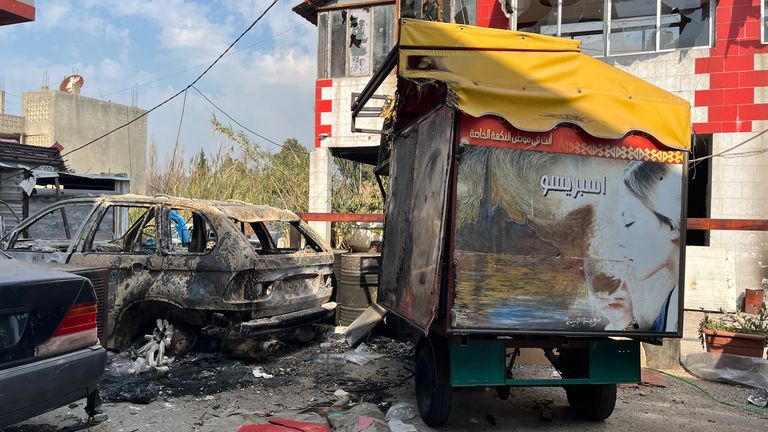
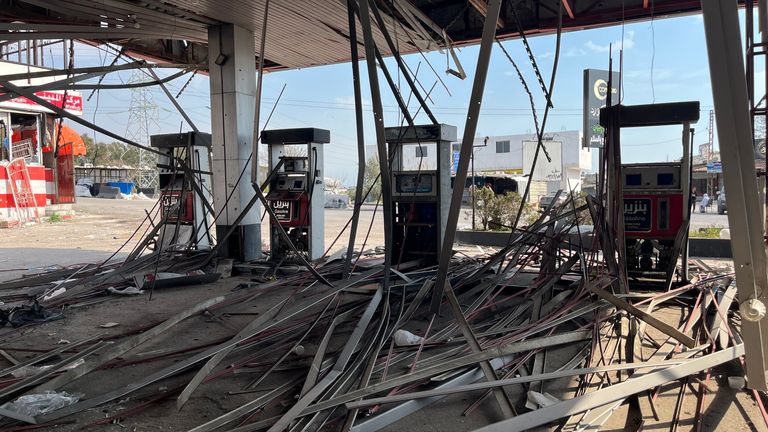
After three months of relatively peaceful times, things have dramatically changed here, all because of the events of 6, 7 and 8 March.
A Thursday, Friday, and Saturday that could determine Syria’s future.
Driving out of Jableh and over a bridge, we pass through another checkpoint, then through a deserted village, home to a community of Syrian Alawites. Shops and homes are destroyed, soldiers guard the roads in and out.
We are on our way to the Hmeimim air base, home to the Russian military in Syria.
It’s also now home to as many as 10,000 Alawites who are now camping in and around the base.
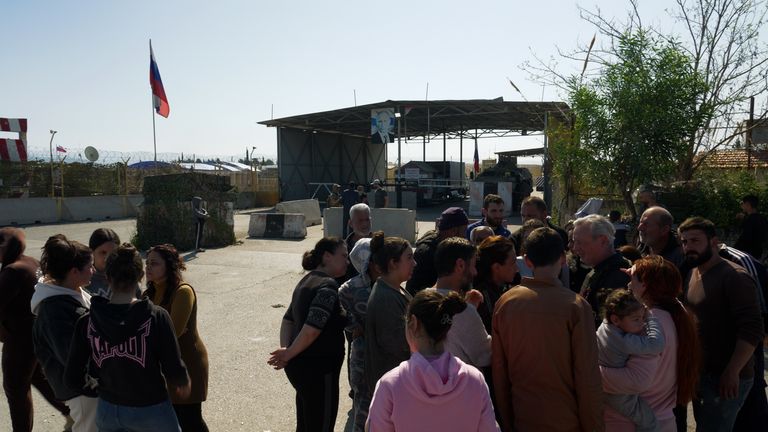
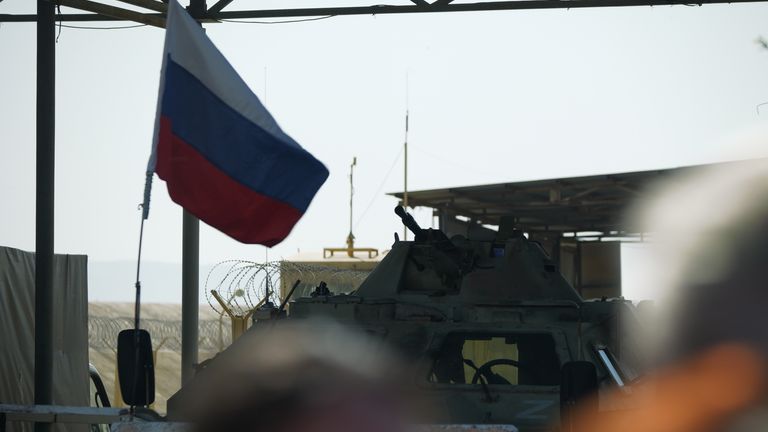
They are seeking shelter and protection, watched on by Russian soldiers who remain inside.
Some of the thousands are in tents or under makeshift cover, others are sleeping rough or in their cars.
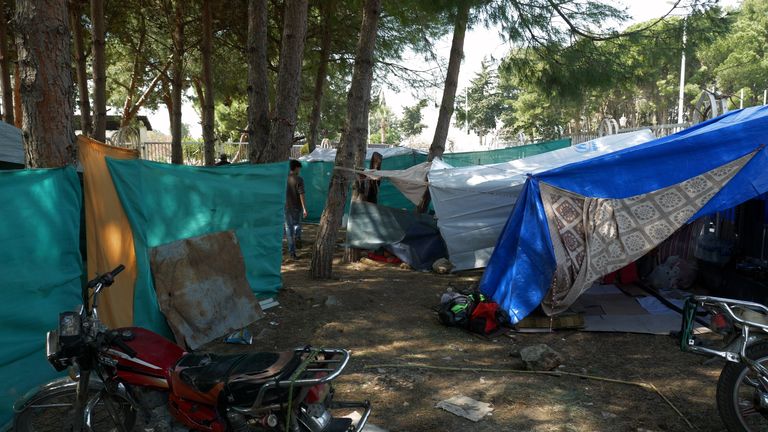
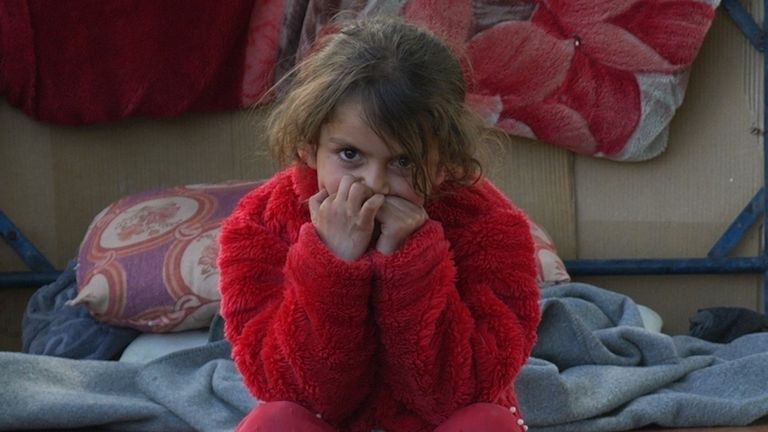
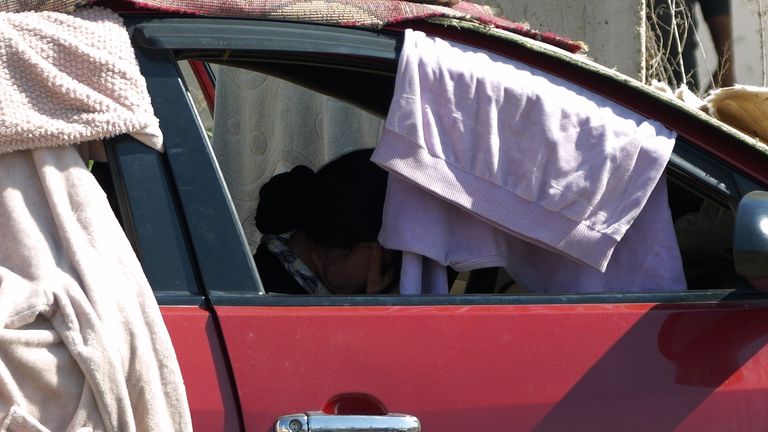
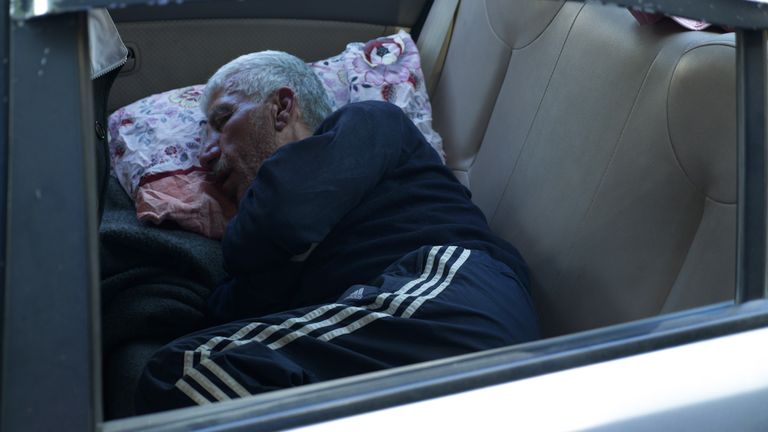
I first visited the airbase last December – then it consisted of a small cluster of shops and restaurants, established over years to service the Russian personnel.
Now the shops are shuttered and the restaurants cleared of tables to allow the families to sleep.
As I approached the gates of the base, I was surrounded by people pushing against each other, trying to get to me to tell me stories of being burnt out of their houses, or of family members killed in front of their eyes.
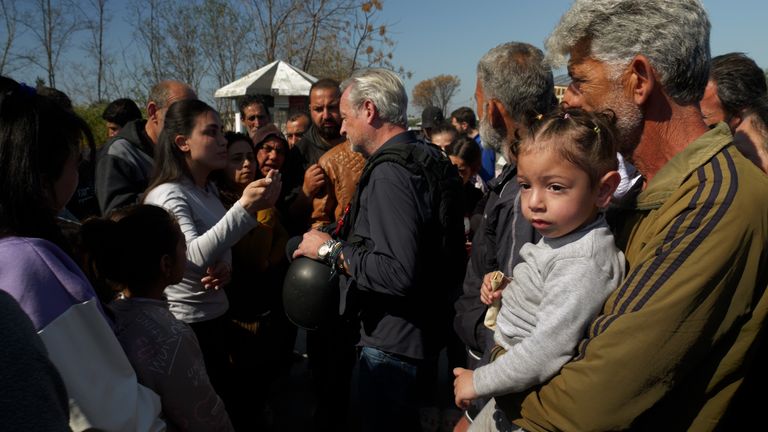
A young woman pulled me aside. “We need help, international help,” she whispered.